Researchers, educators, and parents — building this together.
We come from reading science, special education, learning sciences, and lived parent experience. Every choice we make is shaped by all four.
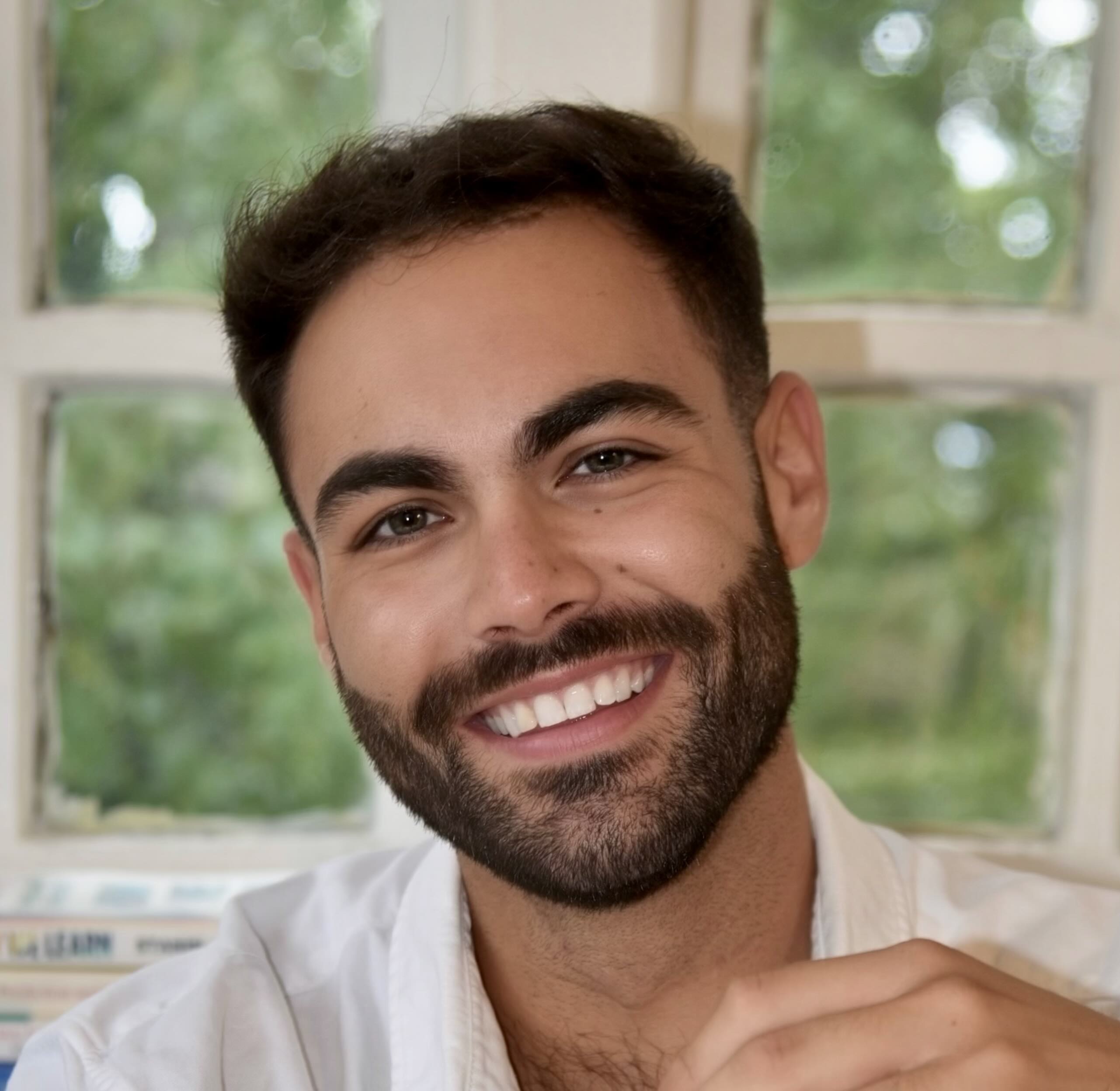 BC
BC
Brennan Chandler, PhD
Georgia State University
Brennan is an assistant professor of dyslexia at Georgia State University, where he trains graduate students and coordinates the Dyslexia Endorsement Program. His research focuses on two questions: what works to help students with dyslexia learn to read, and how do we get those practices into the schools and homes where they're needed most. Before becoming a researcher, he taught in public and private school classrooms — an experience that shapes every part of how he approaches this work. He earned his Ph.D. in Special Education from the University of Texas at Austin.
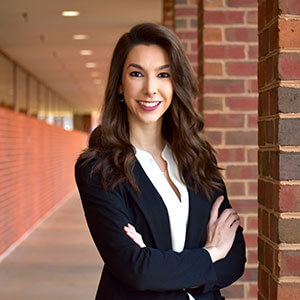 IV
IV
Isabel Vargas-Bell, PhD
Georgia State University
Isabel is an assistant professor in the Department of Early Childhood and Elementary Education at Georgia State University. Before becoming a researcher, she taught elementary students in Spanish immersion and dual language classrooms — an experience that grounds her work in what happens between teachers and kids learning to read. Her research focuses on scientifically-based reading instruction and assessment for multilingual learners, with a particular interest in making strong literacy practices accessible to every student. She earned her Ph.D. in Education from the University of Virginia.
Project Staff
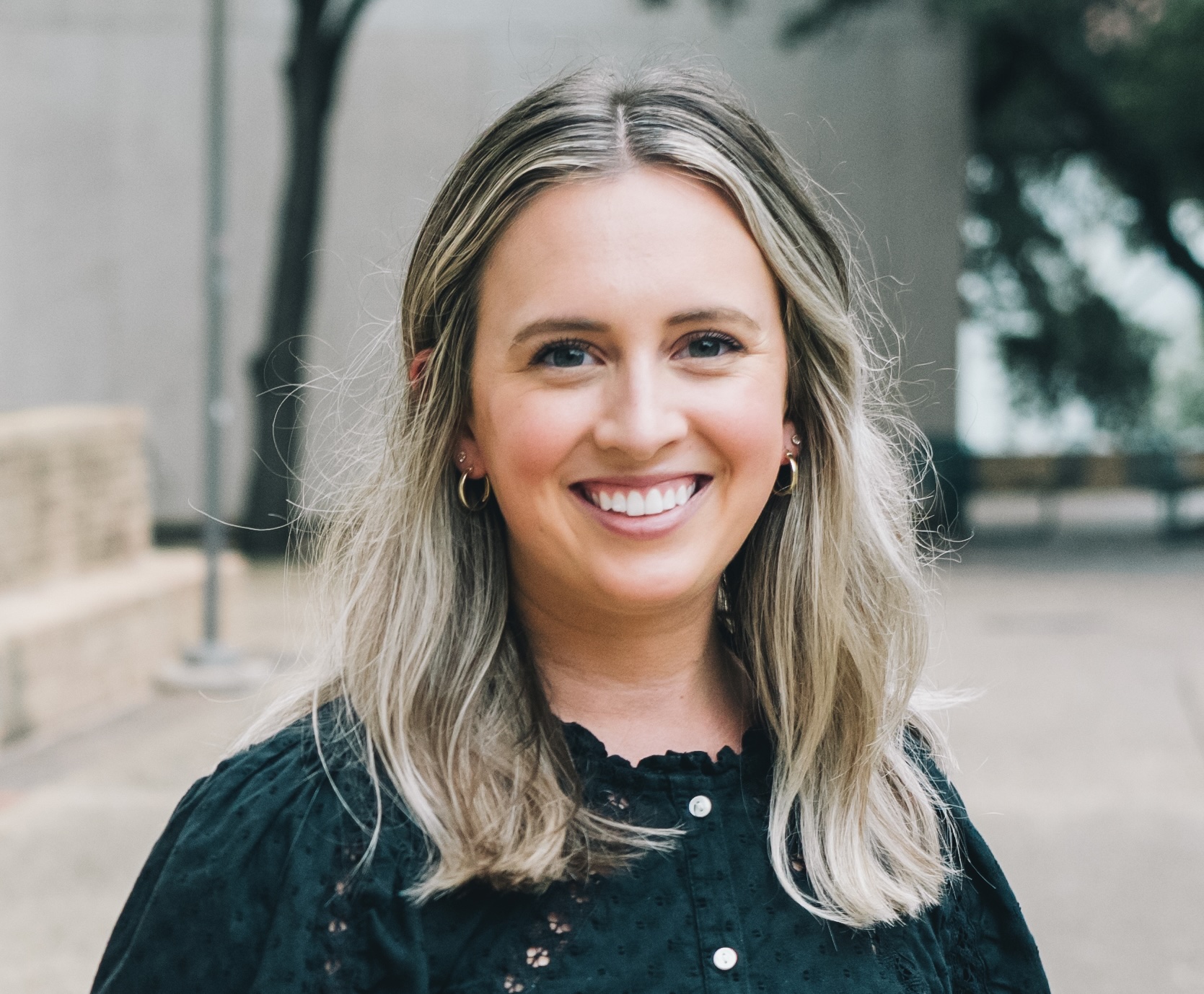
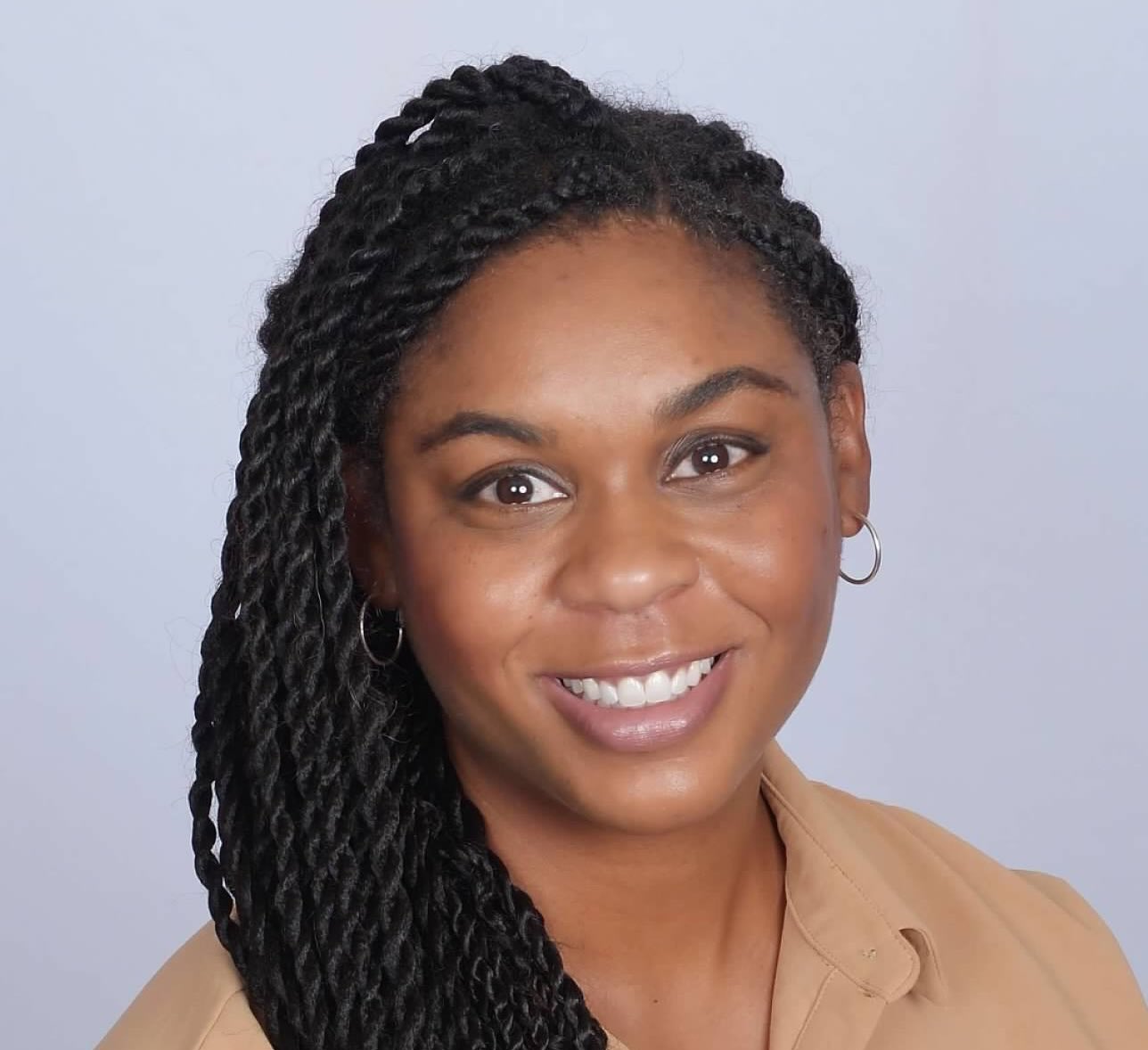
Researchers and graduate scholars at Georgia State University driving the day-to-day work.
 EH
EH
 EA
EA
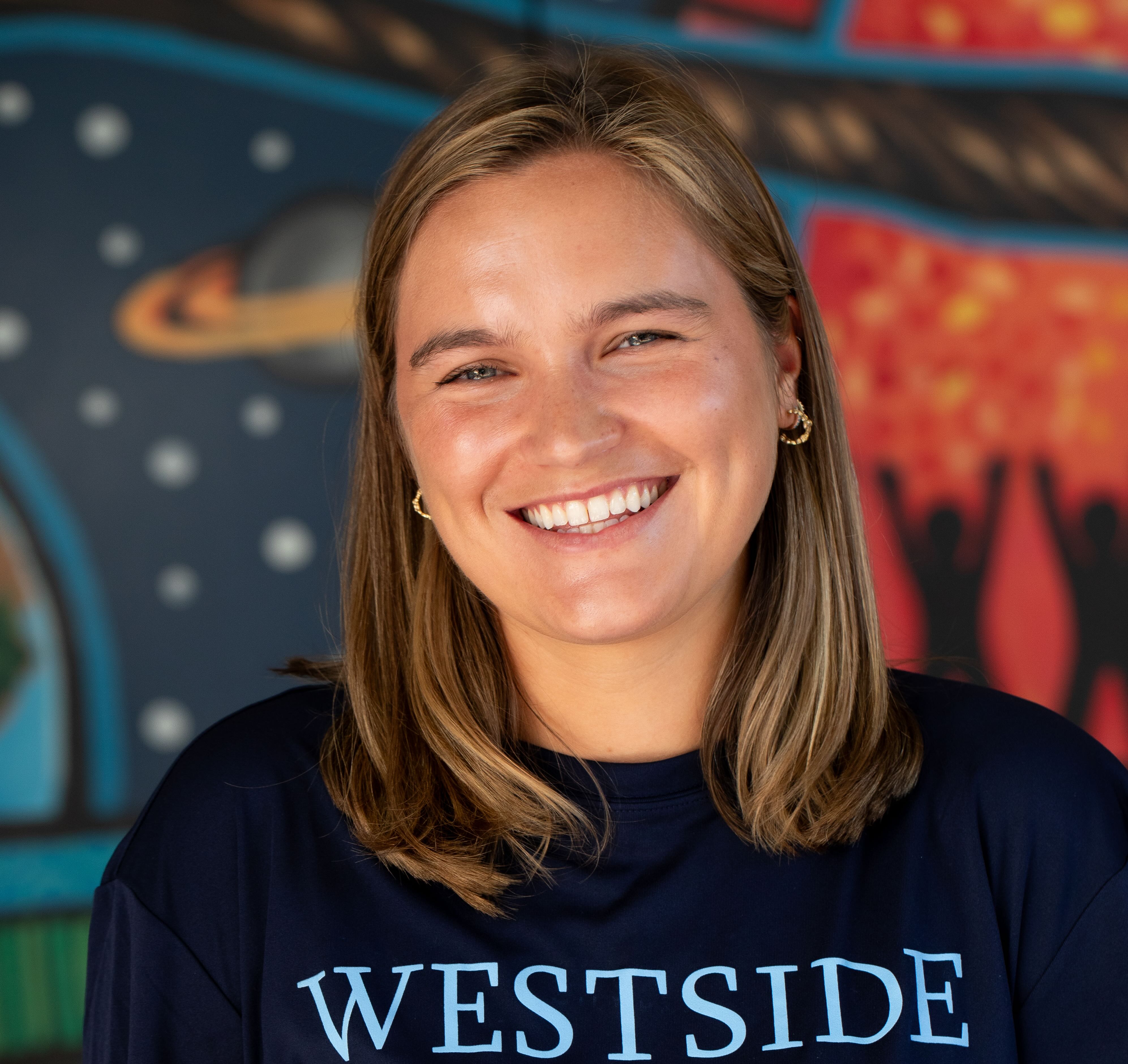 ME
ME
The parents who've walked this path.
Real parents who've navigated dyslexia advocacy themselves bring their lived experience to every stage of the work — shaping language, format, and focus so what we build meets families where they are.
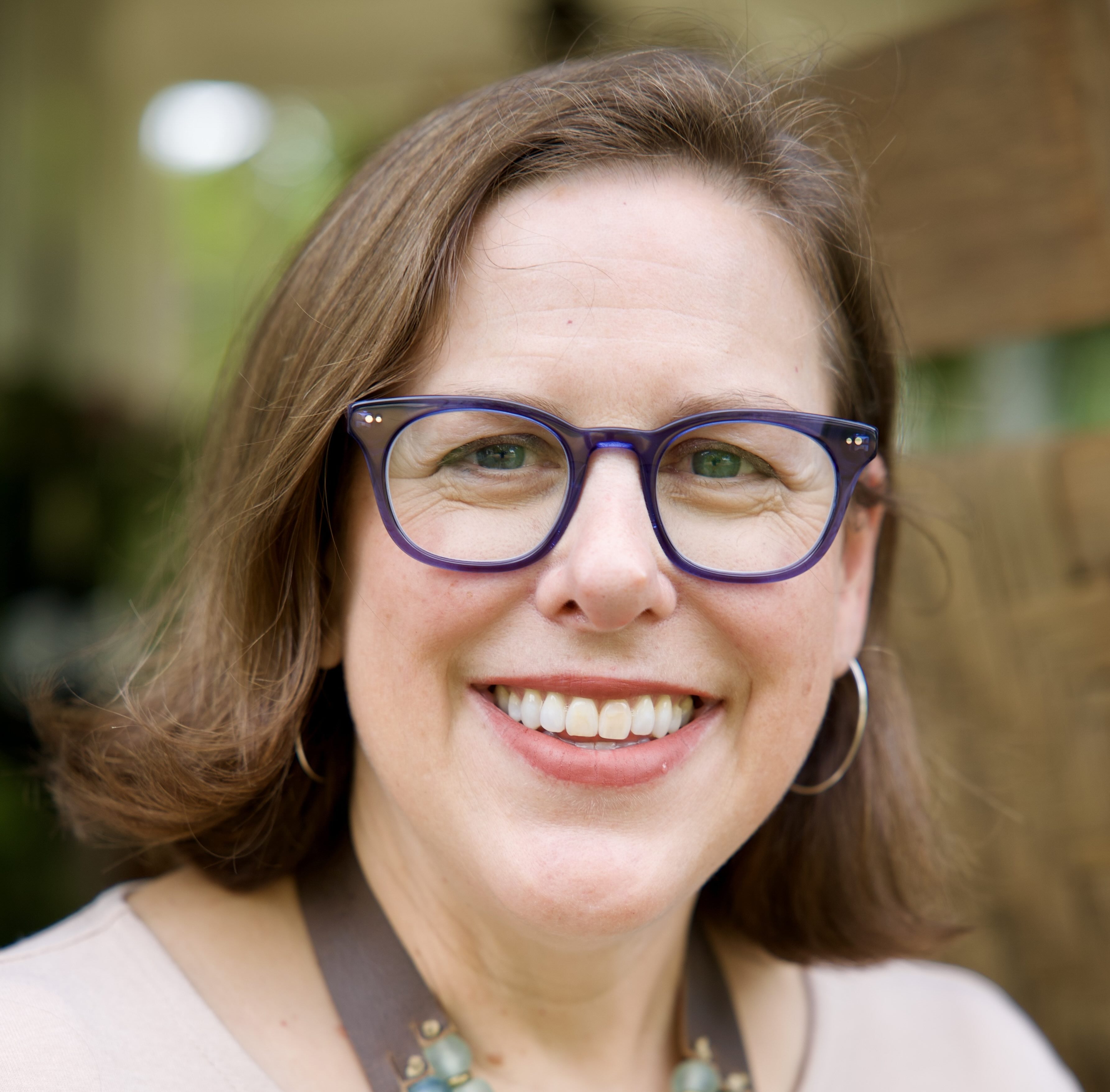 TE
TE
Tina is the former State Leader of Decoding Dyslexia Georgia and has advocated for dyslexia awareness since her son, now a college sophomore, was diagnosed in kindergarten. A graduate of Bates College, she earned her Master's in Reading Science from Mount St. Joseph University in 2025. She joined this project because the actionable information she needed as a parent was too hard to find. It didn't have to be that way.
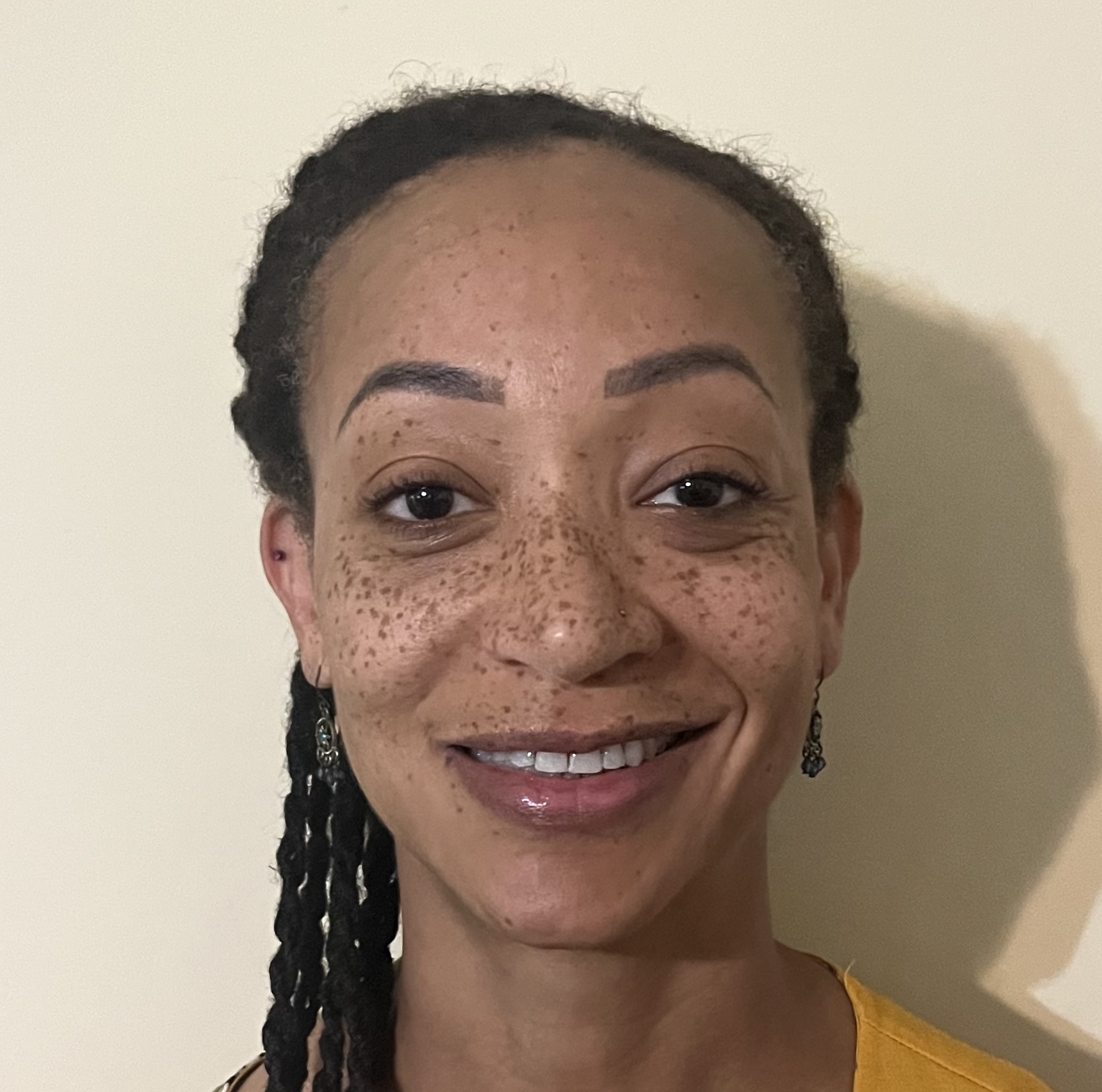 CM
CM
Christen is the parent of two daughters with dyslexia, one in 6th grade and one in 2nd, and has spent years learning how to support their needs through the special education process. She knows firsthand how overwhelming it can feel to start that journey alone. She joined this project to help other parents feel more confident and informed than she did at the beginning.
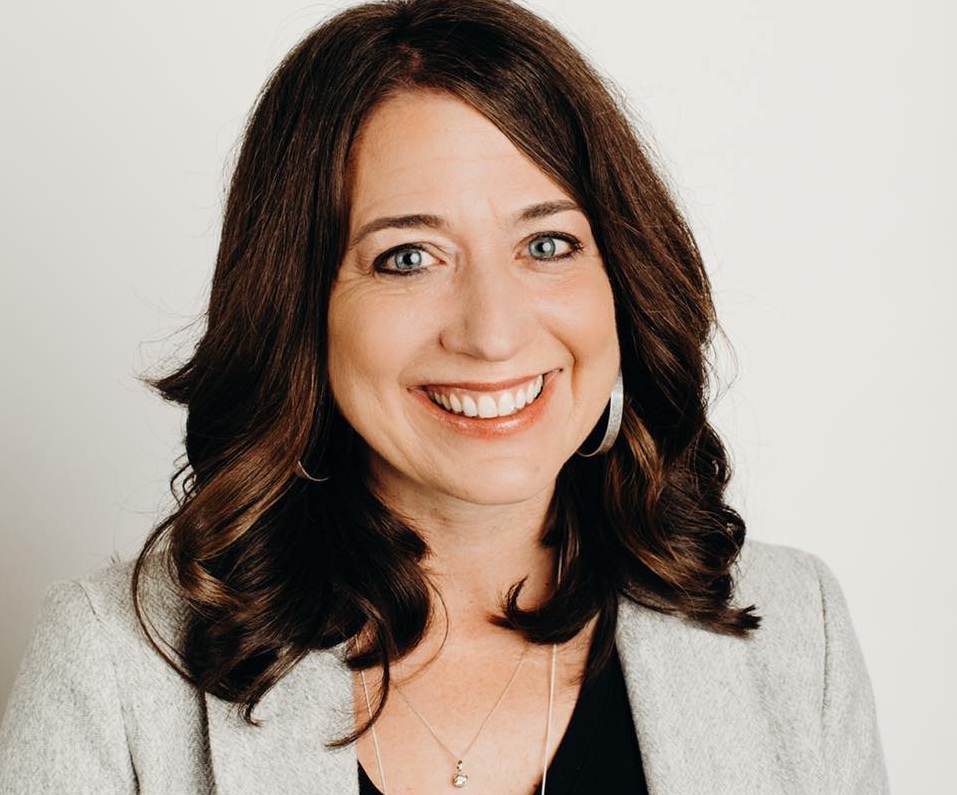 MP
MP
Missy is a former educator, speaker, and co-founder of Gwinnett Advocates for Dyslexia, where she champions evidence-based instruction for children with learning differences. After navigating the overwhelming work of advocating for her own dyslexic son, she knows firsthand how hard it is for parents to find and use the right information. She joined this project because empowering parents with knowledge is what makes them powerful partners in their child's literacy journey.
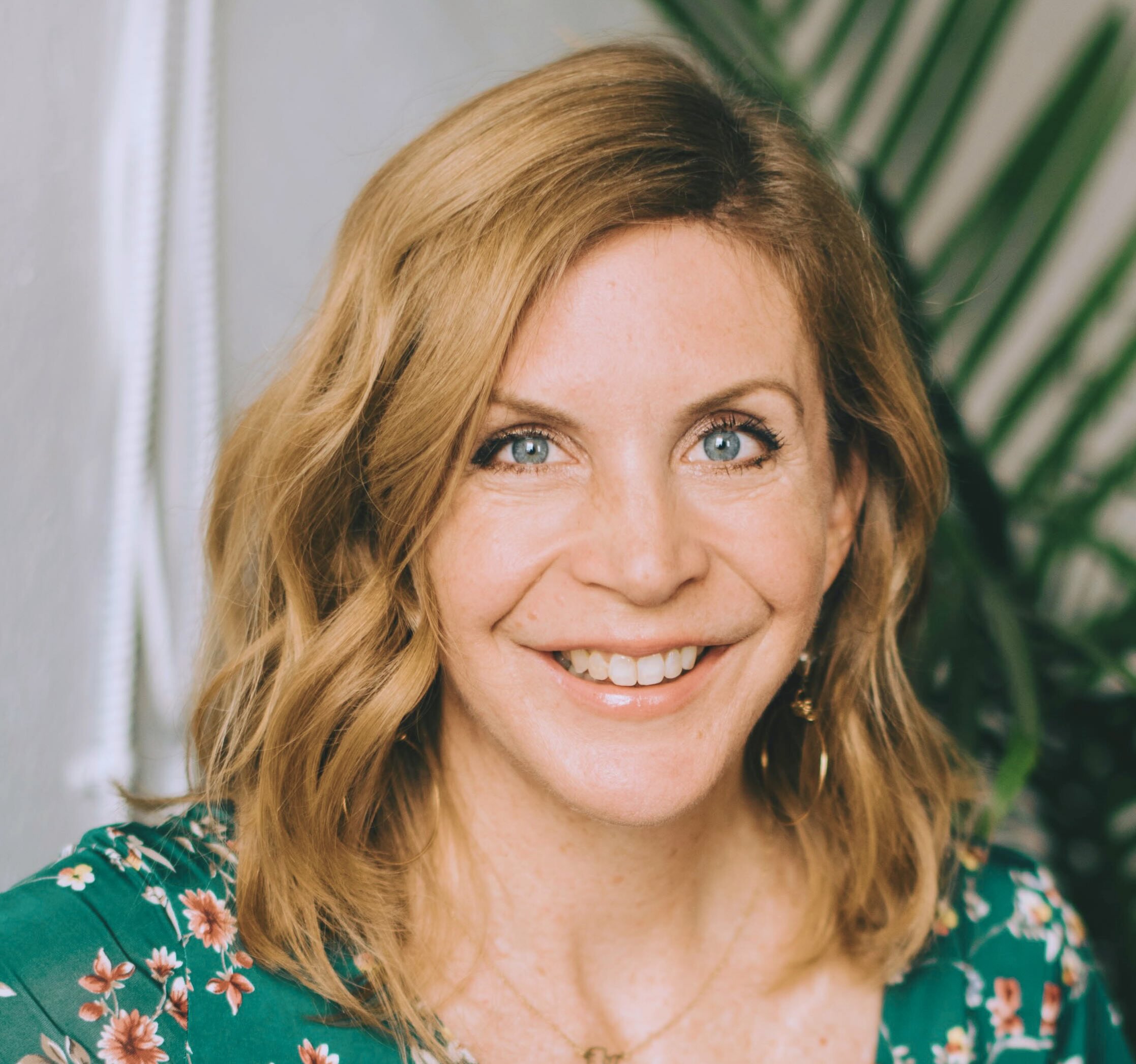 MS
MS
Meagan is a literacy advocate and the founder of UntilAllCanRead.org, focused on breaking down the financial and systemic barriers that stand between students with dyslexia and the support they need. As a proud public school parent, she believes no family should have to afford private tutoring, advocates, or attorneys to ensure their child becomes a strong reader. She joined this project to extend that promise to every family.